

Bathroom problems... In Marlborough MA Installations, Replacements, and Repairs
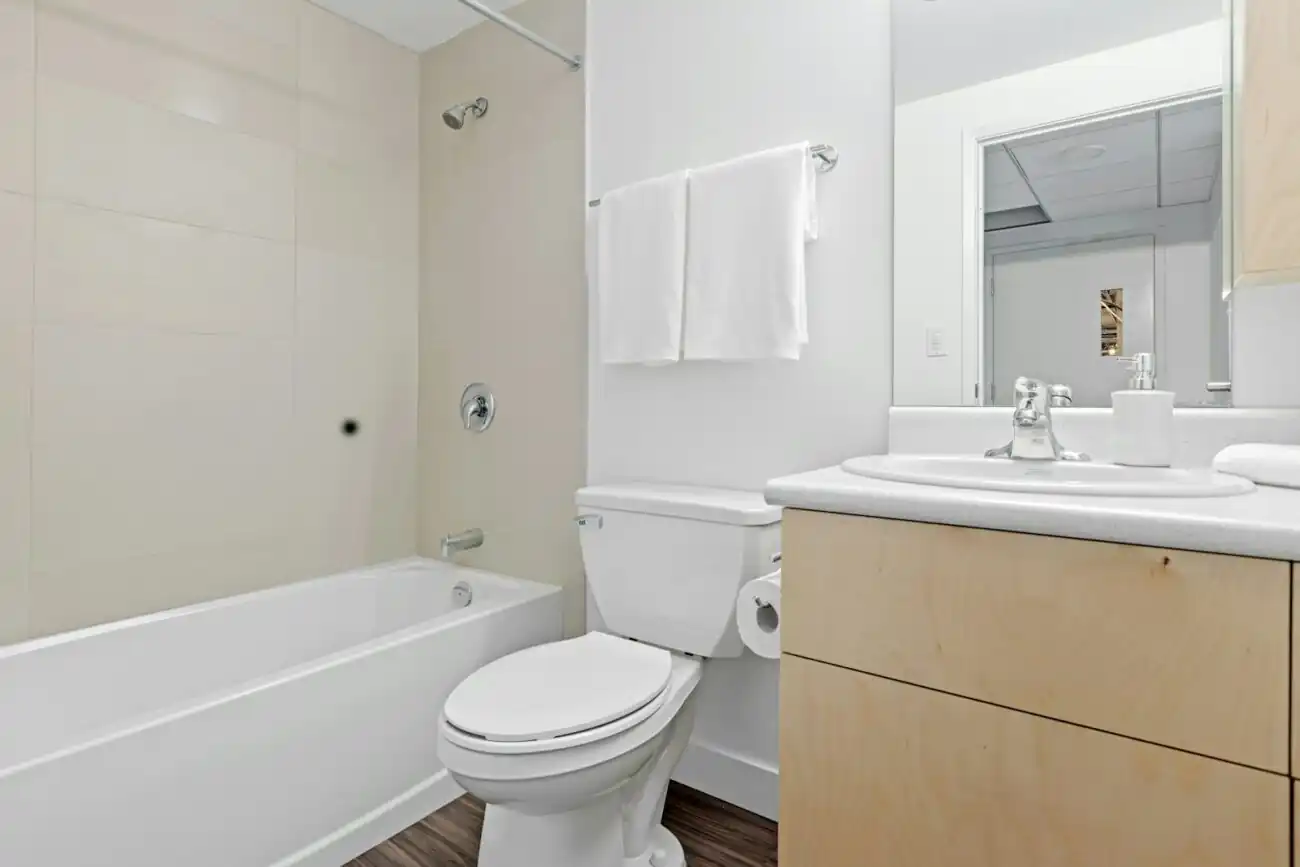
House by House in Marlborough
Marlborough isn’t one town’s worth of housing — it’s several eras stacked side by side, sometimes on the same street. The city was built on shoes, then rebuilt as a tech corridor, and the plumbing under each wave is different. Here’s what you’ll find, district by district.
The Grand Victorians — Pleasant, West Main, Prospect
Marlborough’s old money built outward from downtown along Pleasant Street, West Main heading toward Northborough, and the high ground of Prospect and Fairmount. These are the big Queen Annes, Italianates, Second Empires, and Colonial Revivals put up by the shoe factory owners and the merchant class in the late 1800s — wrap-around porches, turrets, ornate trim, deep setbacks.
These homes were built for show, and their original plumbing was minimal: maybe one water closet on the second floor and an outhouse behind. Every bathroom beyond that was carved in later, out of a pantries, a closet, or the space under a stair. That’s why the grandest homes often have the oddest bathrooms — tight, oddly routed, with waste and vent lines run through whatever opening the carpenters could find. Renovating one means working around true-dimension lumber and rough-sawn joists you don’t just notch through.
The Worker Housing and Multi-Families — French Hill, Lincoln, Mechanic, Bolton
Down by the old rail lines and the factory buildings, Marlborough built for the floor. Lincoln and Mechanic Streets, the southern end of Bolton Street, and French Hill — the Lincoln, Broad, and Howe blocks that became the French-Canadian enclave during the manufacturing boom — are dense two- and three-family wood frames, gable-front worker cottages, and compact vernacular colonials.
These homes share a single wet wall, one cast-iron stack running base to roof serving every apartment. A second-floor backup shows up as a first-floor ceiling stain, and replacing a waste line means opening walls and ceilings across units, so the work is sequenced, not single-unit. This is Marlborough at its densest, and it’s where knowing the building matters more than knowing the fixture.
The Lake Cottages — Fort Meadow and Williams
Marlborough has a secret most of MetroWest doesn’t: two real bodies of water, the Fort Meadow Reservoir and Lake Williams, ringed by what started as 1920s-to-1940s summer camps. The cottages went up seasonal — a camp, a dock, a hand-dug well — and a great many have since been winterized, expanded, or torn down and rebuilt as year-round lake homes.
That history shows in the plumbing. The supply and drain lines were retrofitted for four-season use later, often pieced together as the camp grew into a house. Lots are tight and irregular, with private ways dipping down to the water, and the grades mean more walk-out basements and stepped foundations than you’d expect. Drain runs here do strange things, and a stamped-in-place basement bath can sit below the sewer line — which is exactly when the ejector pump enters the picture.
The Post-War Spread — Farm Road, Elm, Hosmer
When the war ended and the shoe industry faded, Marlborough spread outward. The neighborhoods off Farm Road — Cook Lane, Framingham Road, and the loops around them — plus the Elm Street hills heading toward Northborough and the side streets off Hosmer, are the classic 1950s and ’60s wave: ranches, split-levels, raised ranches, and Capes on quarter-to-half-acre lots.
These are the first generation of modern plumbing — original copper supply lines and early cast iron and plastic waste. The systems were solid for their day, but that day was sixty years ago. The copper’s now aging out, the early plastic runs are at the end of their life, and the master baths that were state-of-the-art in 1962 are past due for a gut. This is the “everything’s original and everything’s tired” stage, and it’s the most common remodel call we get in the newer south end.
The Executive Subdivisions — Hemenway, Wilson, Concord Road, Robin Hill
Tucked toward the Sudbury, Framingham, and Berlin edges — Hemenway and Wilson Streets on the northeast, the Concord Road corridor, and the Robin Hill Road / Boundary Street stretches to the northwest — Marlborough’s newest and largest homes tell the biotech story. These are the 1980s-to-2000s executive colonials, 3,000-plus square feet, two-to-three-car garages, uniform cul-de-sacs built for the I-495 corridor.
The plumbing here is modern from day one — PVC waste, copper or PEX supply, current code — and what it needs now is less archaeology and more straight maintenance and replacement. But these bigger houses carry bigger systems: multiple full baths, a rec-room bath, sometimes a wet bar and a large water heater feeding it all. The work shifts from “what are we going to find” to “how much of it is there to keep running.”
Marlborough’s Plumbing — Framing, Piping, and Code
Marlborough’s older homes hide a few consistent realities under the floor, and each one changes how a remodel goes.
The framing first. These late-1800s and early-1900s homes are mostly balloon-framed — the exterior studs run continuous from the foundation to the roof, not story by story. For plumbing that’s a mixed blessing: pulling a vent straight up is often easier, but modern Massachusetts code requires fire-blocking around any new penetration, so the stack and vent work carries real structural and code weight. The true-dimension and rough-sawn lumber also means you don’t just notch a load-bearing joist to make a trap-to-vent distance work.
The piping next. Open up a bathroom in the older pockets and you’ll usually find a mosaic of eras stitched together: original cast-iron soil stacks rusting thin from the inside, galvanized supply lines spliced into copper and choking the pressure at the sink, and — in pre-1940s homes — lead closet bends under the toilet that have to come out entirely during a remodel. It’s not one system; it’s four generations of repairs layered on top of each other.
Then the climate. Marlborough sits inland, where winter nights drop into the single digits. Older homes frequently have a bathroom retrofitted onto an exterior wall or into an uninsulated cantilever, and a supply line run through that wall will freeze. A proper remodel re-routes those lines through interior walls or insulates the wet wall properly — not wraps the pipe in a repair-shop band-aid.
And finally, the code. Massachusetts runs one of the strictest plumbing codes in the country, and Marlborough’s inspectors enforce it. The practical upshot for a homeowner: most plumbing work here legally requires a licensed plumber, and every fixture vents through the roof — no shortcut vents. That makes a Marlborough historic-home remodel more labor-intensive than it looks from the outside, and it’s exactly why you don’t want someone guessing behind those walls.
Marlborough runs on a blend of water — MWRA supply drawn from the Quabbin and Wachusett reservoirs, mixed with the city’s own surface sources. It comes out soft enough that you won’t fight much limescale, but like most reservoir water it’s slightly acidic, which is harder on aging copper and the old lead-sweated joints you find in pre-1940s homes. In plain terms: less white crust, and more to watch in the older pipes.
The Bathroom Business...
Richard T. Curley Plumbing and Heating has handled bathroom plumbing in Marlborough since 1980. Same-day service for bathroom sinks, faucets, toilets, tubs, showers, and tub-and-shower valves. You get the same plumber every time — the guy who answers the phone is the guy who shows up. We never sell you something you don’t need.
Call (978) 562-3736.
Marlborough is a town of contrasts. One day it’s a 250-year-old home near Ghiloni Park with stone foundations and gravity drains. The next it’s a modern townhouse near Apex Center. And a lot of homes in between have plumbing that’s been patched over the decades — PEX and copper tied into galvanized and cast-iron stacks that predate your grandparents. We’ve worked on all of it. Nothing surprises us.
Most of Marlborough is on city water and sewer, but the outskirts run on private wells and septic. The two behave very differently, and we know what to expect from each.
Bathroom Sinks and Drains...
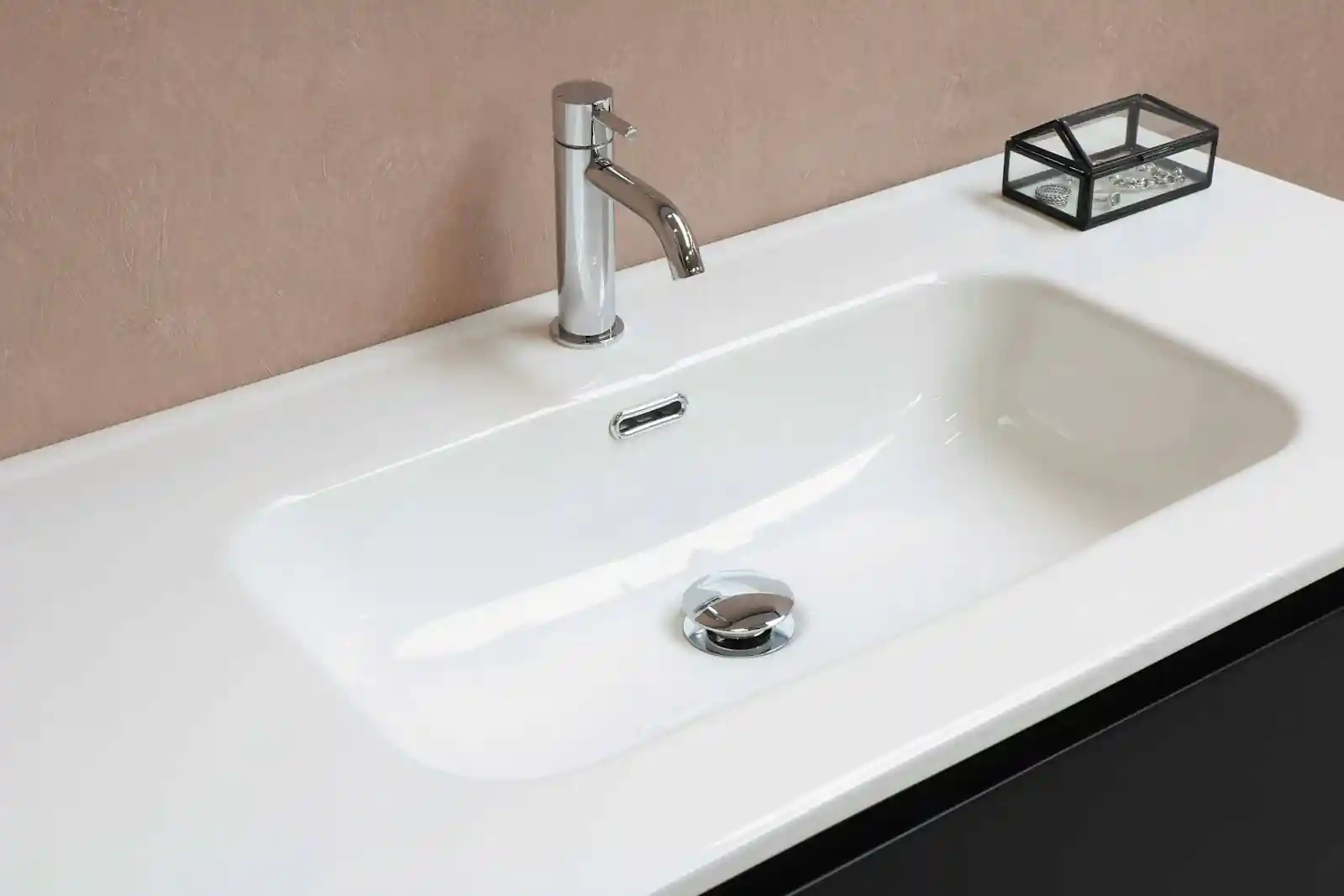
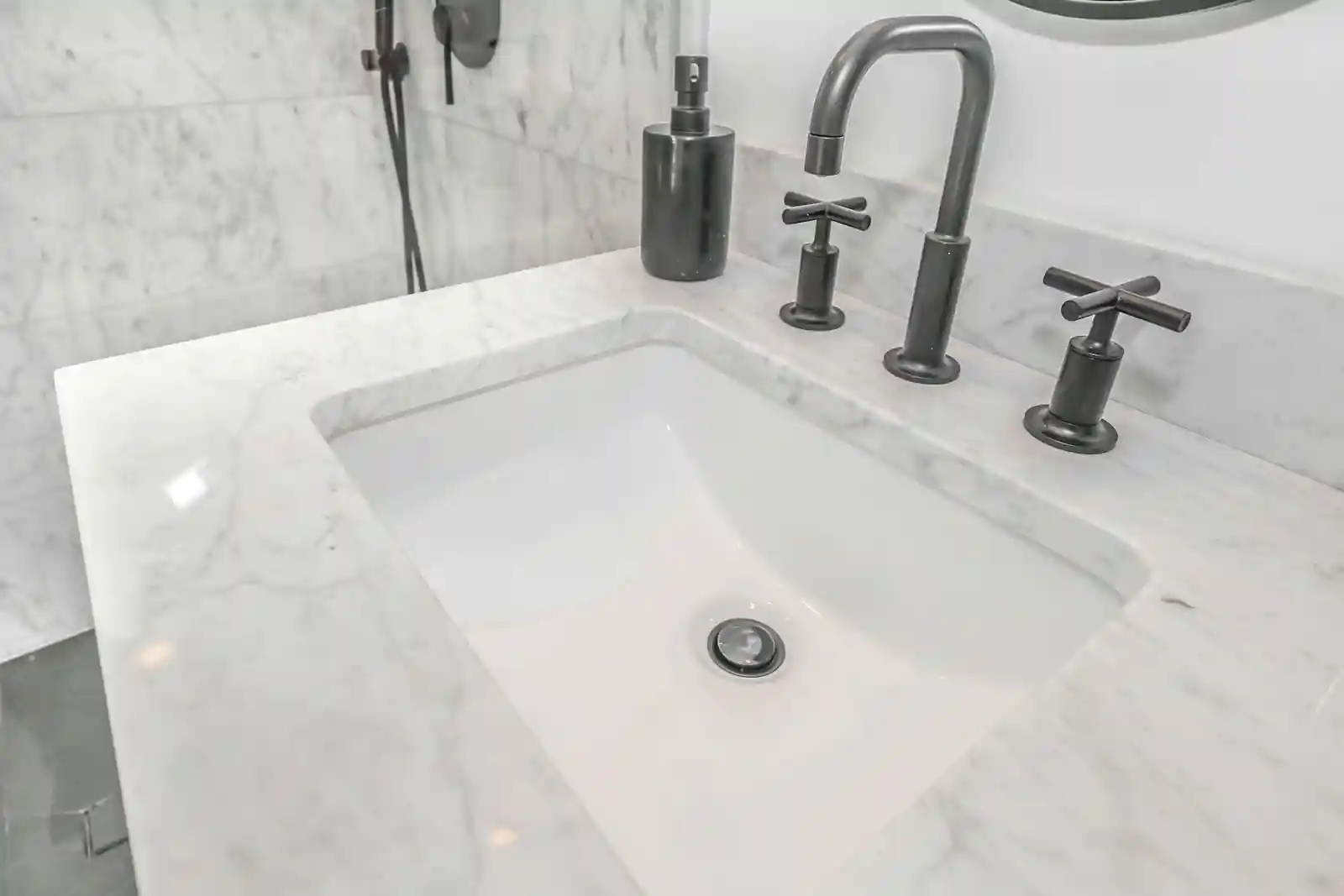
Bathroom Sinks… We fix what you have first, and replace it when that’s the right call. We install pedestal sinks, wall-hung sinks, and vanities of every size — and in the older Marlborough homes, the smaller the footprint, the better. A lot of these bathrooms were retrofit into closets and pantries, so the space is tight, and a wall-hung sink or a compact vanity can turn an awkward bathroom into one you can actually move around in. Marlborough’s municipal water runs hard, so expect scale on cartridges and aerators here even on town water.
Bathroom Drain Problems… Marlborough bathroom drains clog from hair and soap buildup — that’s true everywhere. But in the older homes, the problem runs deeper. Cast-iron drains scale up and catch hair faster than modern PVC. We snake carefully. We won’t force a heavy cable through a fragile old drain without telling you first what we’re up against.
- Bathroom Sink
- Traps
- Water Supplies
- Water Valves
Bathroom Faucets...
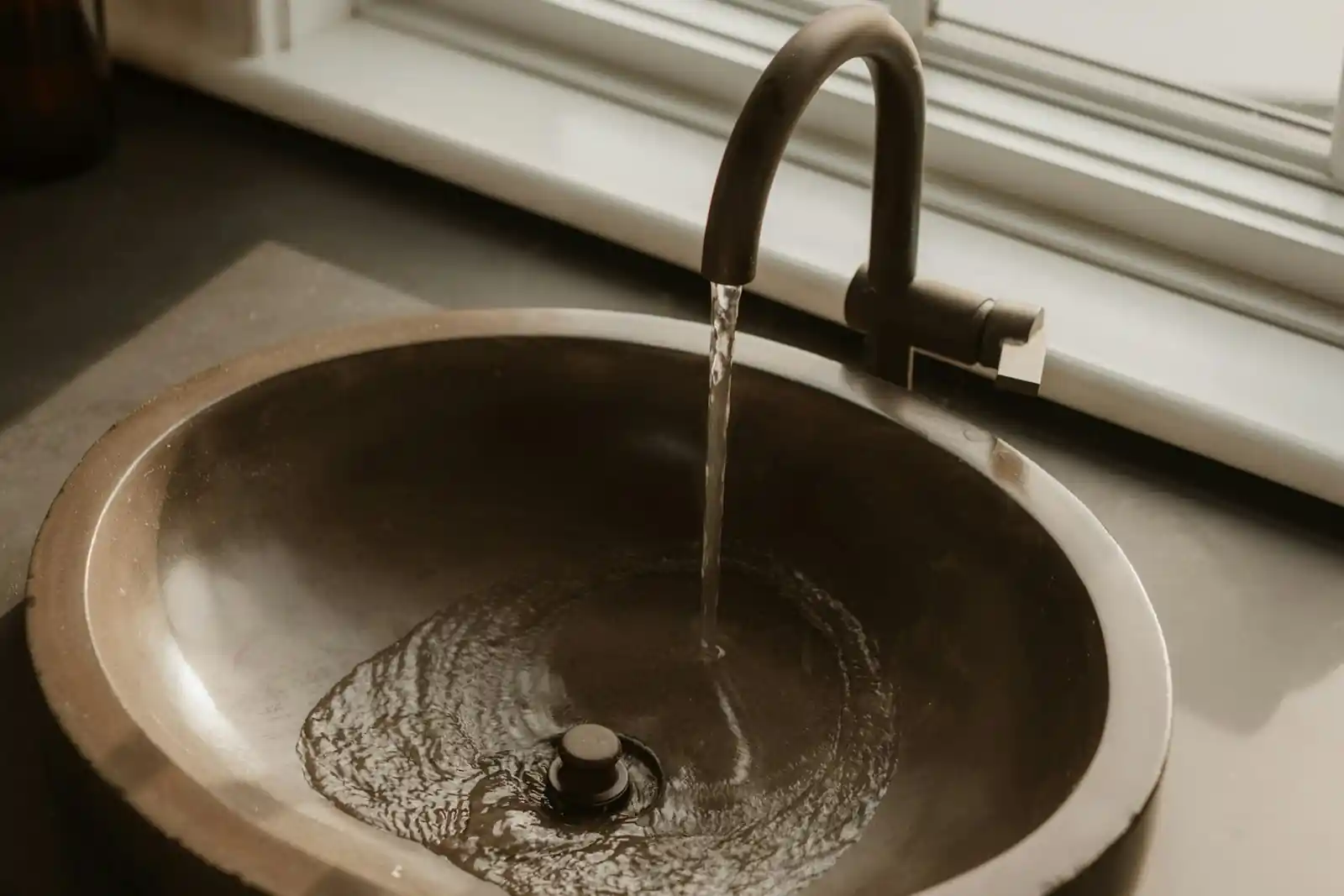
Bathroom Faucet Problems… A dripping bathroom faucet in Marlborough is usually a worn cartridge or a failed O-ring. Marlborough’s water is soft, so it’s rarely the hard-water scale you get in other towns — more often it’s age. A cartridge wears, the rubber seals let go, and the drip starts. We can swap the cartridge on most Delta, Moen, and Kohler models in under an hour. If the finish is pitted or the valve body is shot, replacement costs less than chasing repairs.
- Installation
- Replacement
- Repair
- Kohler
- Delta
- Moen
- American Standard
- Pfister
- Just a few brands…
Toilets and Bidets...
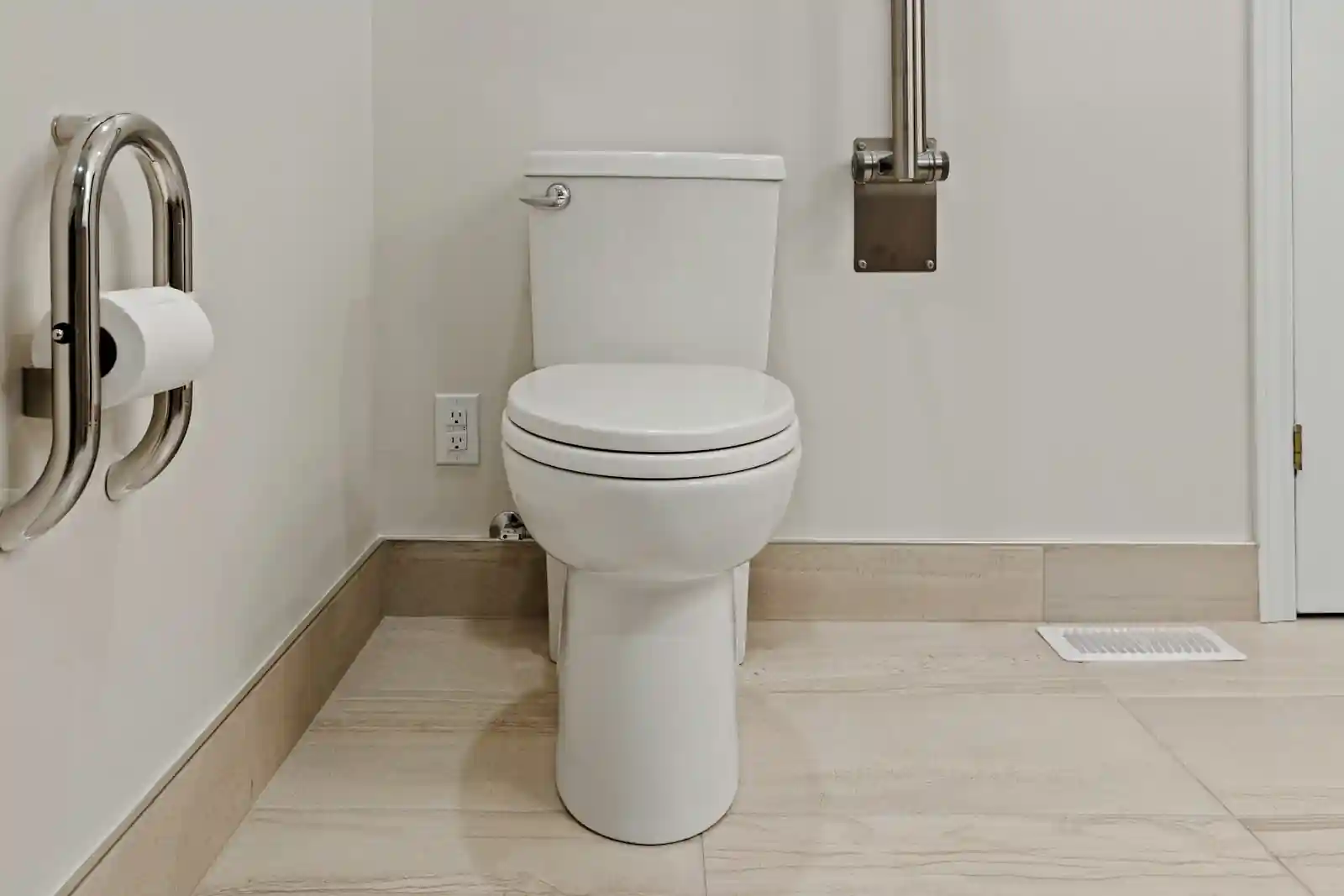
Toilets… We can handle all of your toilet problems… New installations, replacements, running toilets, toilets that rock on the floor — we do all of it. The older Marlborough homes still have a lot of the pre-1994 high-flush toilets, the ones that use 3.5 gallons or more per flush. If yours runs constantly, we can rebuild the fill valve and flush valve — that’s usually all it is. If you’d rather replace it, the modern 1.28-gallon toilets pay for themselves on the water bill. We’ll give you a straight answer either way.
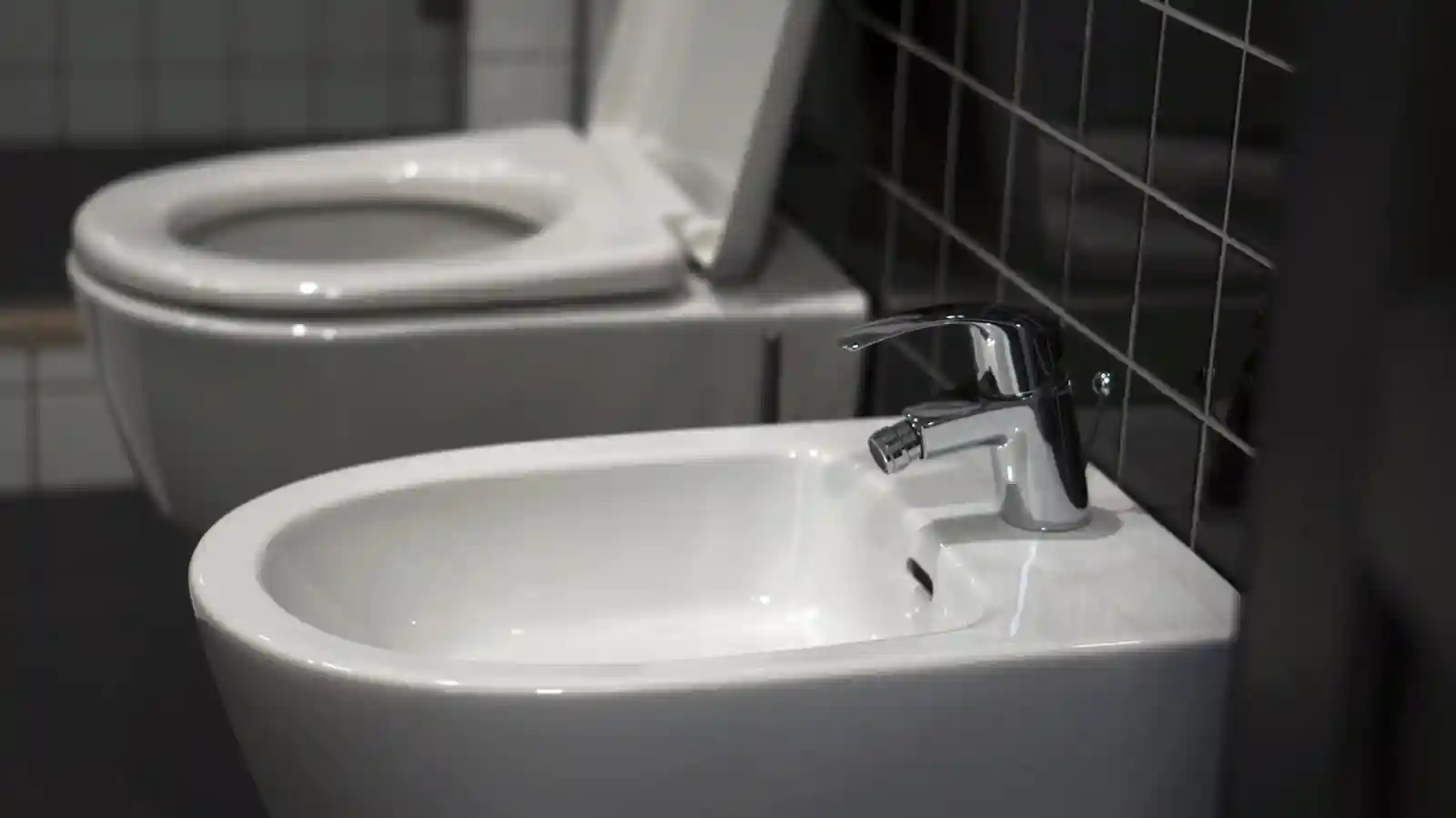
Bidets… We install and replace bidet fixtures and bidet seats. Most Marlborough homes that want a bidet go with the seat that mounts right onto your existing toilet — no second fixture, no new rough-in. If you’ve got the space for a true bidet fixture and want one, we’ll run the hot-and-cold supply and the drain. Either way, we’ll tell you what fits your bathroom and what doesn’t waste your money.
- Installation
- Replacement
- Repair
- Kohler
- American Standard
- Or any brand of your choosing
Tubs And Showers...
Fixtures and Faucets...
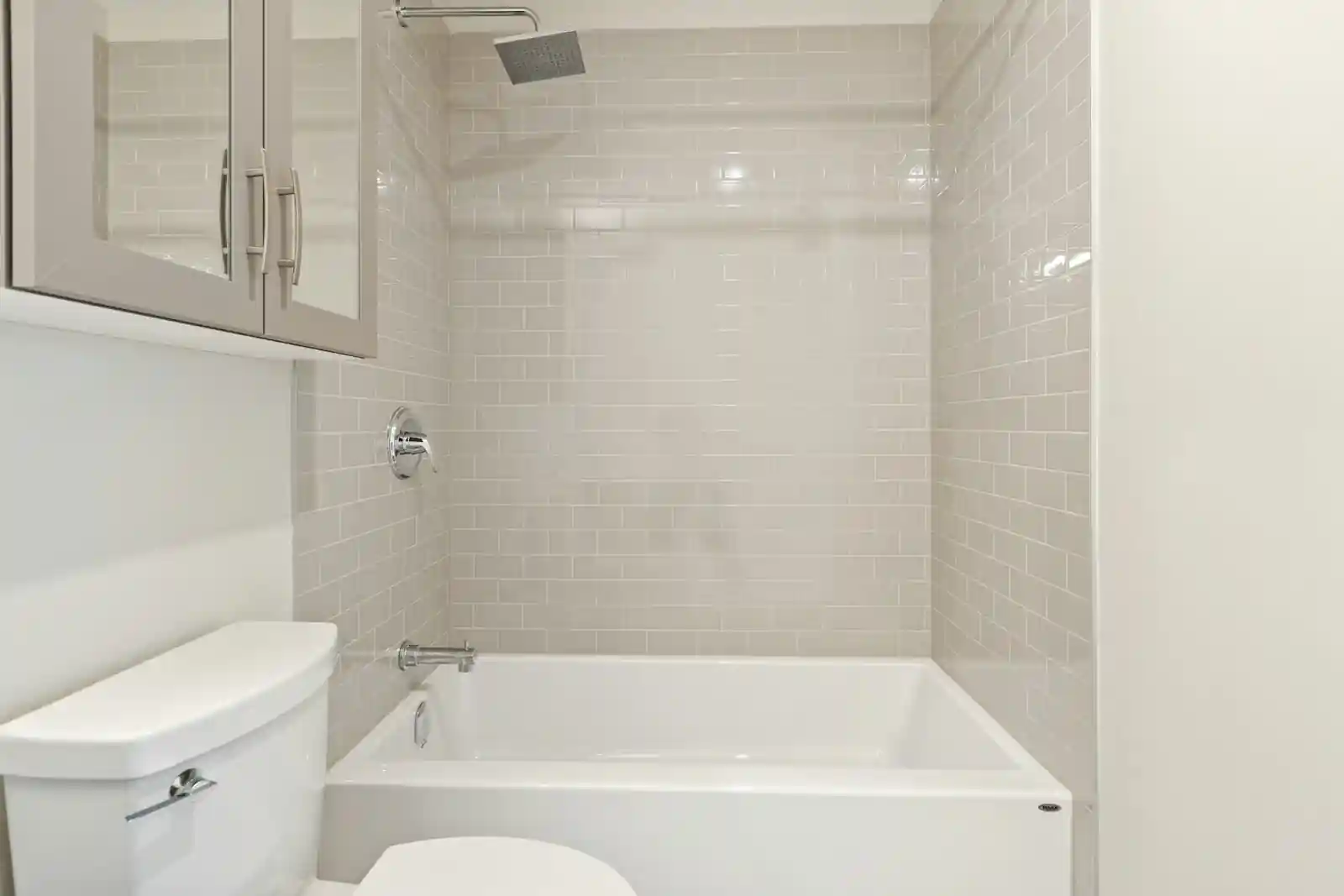
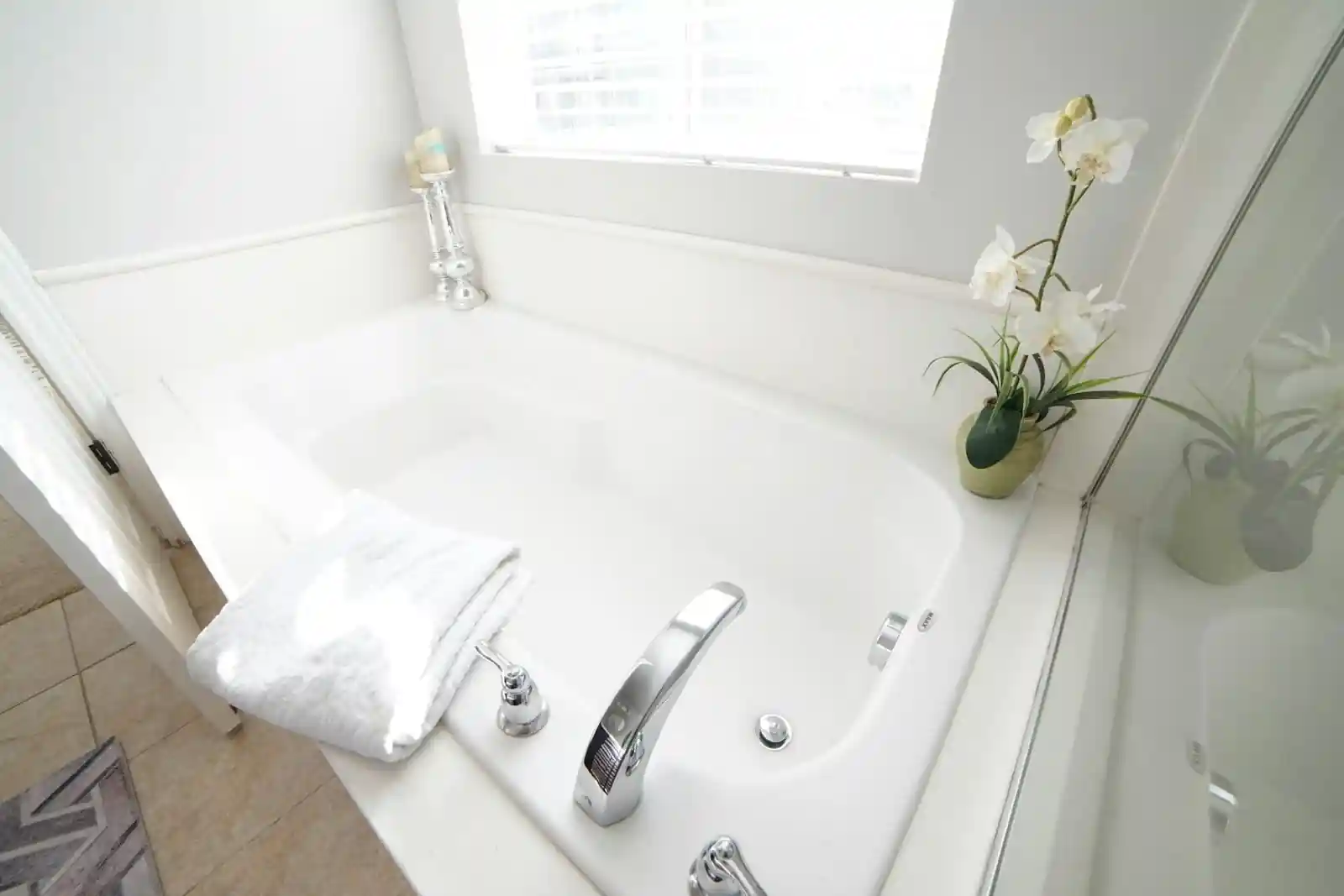
Bathtubs… We repair tub valves and trip-lever drains, replace worn valves that leak or won’t hold water, and swap in new alcove tubs and tub-and-shower combos when a tub is too far gone to save. Most of the tub work in Marlborough is repair, not replacement — a dripping tub valve or a drain that won’t seal. If the valve body is shot, we’ll tell you straight and replace it.
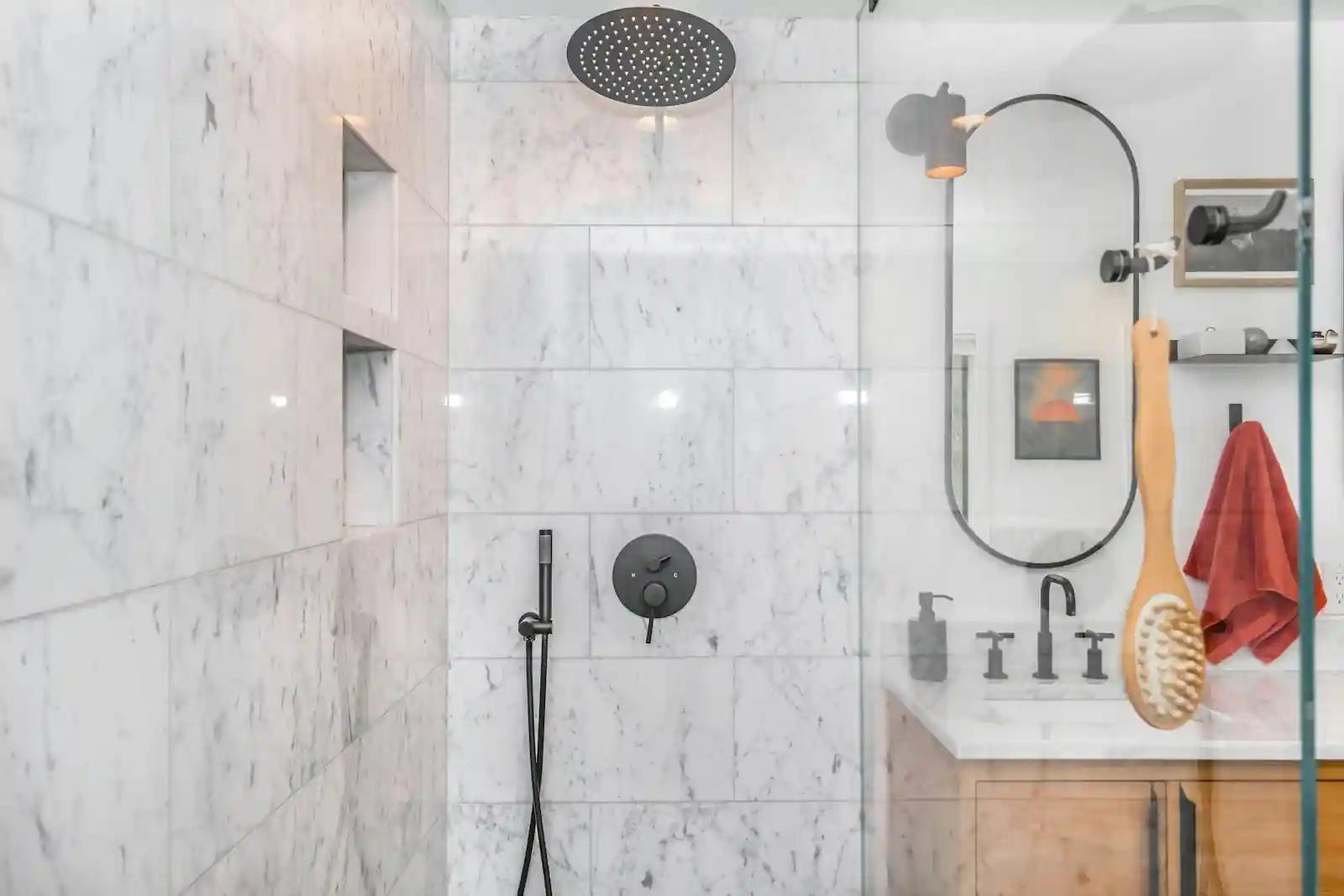
Showers… We install new shower valves and tub-and-shower valves, and swap out old two-handle faucets for pressure-balanced single-handle valves. In the older homes, the biggest upgrade is going from a two-handle rig — where a flush of the toilet sends the shower temperature sideways — to a pressure-balanced valve that holds steady. Marlborough’s hills make pressure swing the other way too — the lower streets can run high pressure that stresses supply lines, while the higher spots struggle with low flow. Getting the valve and pressure right matters.
The Cellar Bathroom… Some of the older Marlborough homes have a small bathroom in the cellar — a toilet and sink, tight, no frills. The catch is the drain. If your main sewer line runs above the cellar floor, the waste has to be pumped UP to reach it, which means a sewage ejector pump. When those fail, you find out fast. If your cellar toilet won’t flush or the pump runs and the waste doesn’t go anywhere, call us. We replace ejector pumps and repair the ones that can be saved.
Lorem ipsum dolor sit amet, consectetur adipiscing elit. Ut elit tellus, luctus nec ullamcorper mattis, pulvinar dapibus leo.
Bathroom plumbing across the MetroWest…
Richard T. Curley Plumbing & Heating handles bathroom plumbing in Marlborough and the towns around it. If you’re in a neighboring town, here’s where to go:
- Bathroom plumbing in Hudson
- Bathroom plumbing in Sudbury
- Bathroom plumbing in Berlin
- Bathroom plumbing in Bolton
- Bathroom plumbing in Maynard
- Bathroom plumbing in Stow
Call (978) 562-3736 for service in Marlborough or any of these towns.
For everything we do in Marlborough — sinks, water heaters, drains, and more — see our full Marlborough plumbing services page.
Frequently Asked Questions About Bathroom Plumbing in Marlborough
Same day. We’ve served Marlborough since 1980 and our trucks are stocked and routed through town daily. Most calls — a toilet that won’t stop running, a shower valve that won’t shut off — we handle in one trip.
Sometimes. Condos often share water supply risers, so a pressure-balanced shower valve matters more when your neighbor’s usage affects your pressure. We also know which buildings have specific rough-in dimensions and which fixtures fit.
Often it’s mineral buildup in the aerator from Marlborough’s municipal water, which swings in hardness seasonally. A quick aerator cleaning fixes it most of the time. If not, the cartridge or shut-off valve may be the culprit.
We'll tell you straight. If the valve body is solid and parts are available, repair makes sense. If the finish is worn through or the valve is corroded, replacement costs less long-term. We never push a replacement you don't need.
We handle toilet repairs and replacements, shower and tub valve repair, sink and vanity installation, faucet replacement, drain clearing, vent pipe issues, and full bathroom rough‑ins for remodels. From a dripping sink to a full renovation, we can help.
In Marlborough condos and apartments, a dry P-trap is the most common cause. If a guest bathroom sink or tub hasn't been used in a while, the water in the trap evaporates and lets sewer gas through. Run the water for 30 seconds. If the smell returns, the vent stack may be blocked — a problem common in multi-unit buildings. Call us and we'll find it.
That’s a slow leak from the tank into the bowl, usually a worn flapper. Marlborough’s municipal water carries chlorine that degrades rubber flappers faster than well water does. The fix is a five-minute flapper swap. If it keeps happening, the flush valve seat may need attention, too.
A running toilet is almost always caused by a worn flapper valve, a misadjusted float, or a faulty fill valve. These are inexpensive parts to replace. The bigger concern is the water waste—a running toilet can send hundreds of gallons down the drain each month. Call us and we'll fix it the same day.A wobbling toilet usually means the wax ring seal has failed or the flange underneath is broken. Left alone, it can lead to water leaks around the base that damage your subfloor. A small wobble right now can turn into an expensive repair later. We can reseat the toilet and replace the wax ring in under an hour.
For the full scope of bathroom plumbing across Metrowest, see our bathroom plumbing repair guide.
Need kitchen plumbing too? Our kitchen plumbing services in Marlborough cover faucets, sinks, and disposals. If your bathroom remodel includes a new water heater, our water heater installation in Marlborough handles that as well.