

In 2024, the Massachusetts Department of Environmental Protection (MassDEP) detected PFAS above recommended levels in more than 30 public water systems across the Metrowest region. This finding forced homeowners across the area to ask whether their tap water was safe. Understanding what is in your water matters for your family’s health and your home’s plumbing.
Understanding water quality in Metrowest Massachusetts towns
Metrowest Massachusetts stretches from the suburbs west of Boston to the Worcester County line. Its towns include Hudson, Marlborough, Sudbury, Stow, Maynard, Berlin, Bolton, and many others. The region draws drinking water from a mix of surface reservoirs and underground aquifers. Because geology varies so much here, from glacial till to fractured bedrock, groundwater quality can shift dramatically from one street to the next.
Homeowners in Metrowest face two distinct situations. Those connected to a municipal water supply receive treated water that meets state and federal safety standards. Those with private wells must test and treat their own water. Even municipal customers should pay attention: aging pipes, seasonal runoff, and emerging contaminants like PFAS can affect water at the tap. Checking your town’s annual Consumer Confidence Report is the easiest way to start understanding your water.
Common contaminants in Metrowest water
No two towns share identical water chemistry, but several contaminants appear frequently across the region. PFAS, iron, manganese, radon, and bacteria top the list of concerns for local homeowners.
PFAS contamination: The emerging concern
Per- and polyfluoroalkyl substances (PFAS) have become a headline issue in Massachusetts. These man-made chemicals resist heat, water, and oil, so they appear in nonstick cookware, firefighting foam, and industrial waste. They do not break down easily in the environment. PFAS contamination has been detected in public wells and private water supplies across Metrowest, especially near former military bases and industrial sites. MassDEP set a strict drinking water standard of 20 parts per trillion for six PFAS compounds. Homeowners should test for PFAS if their property lies near a known source or if they rely on a shallow well.
Common natural contaminants
- Iron and manganese: Common in Metrowest groundwater. They stain laundry and fixtures but are not typically a health threat.
- Hardness minerals (calcium and magnesium): Cause scale buildup in pipes and water heaters. Hard water reduces appliance efficiency.
- Radon: A radioactive gas that can enter groundwater from uranium in bedrock. It poses a lung cancer risk when released into indoor air.
- Arsenic: Occurs naturally in some Metrowest bedrock wells. Long-term exposure increases the risk of certain cancers and skin problems.
- Bacteria (coliform, E. coli): Indicate surface water intrusion into wells. Often linked to heavy rain or failing septic systems.
Contaminants from human activity
Nitrate from fertilizers and septic systems, lead from old plumbing, and volatile organic compounds (VOCs) from fuel spills and solvents can all appear in Metrowest water. Because these contaminants have no taste or smell, lab testing is required to detect them.
Well water testing and private wells
Approximately 4,000 homes in Metrowest rely on private wells for their daily water supply. Unlike municipal customers, well owners have no treatment plant watching over their tap. Their water safety depends on regular well water testing. MassDEP recommends testing private wells at least once a year for bacteria and every three to five years for a full chemistry panel including nitrates, arsenic, radon, and volatile organics.
New homes and those near farms, industrial sites, or septic systems should test more frequently. Buyers purchasing a property with a well should insist on a recent water test as part of the home inspection. If you own a well, sign up for your town’s health department alerts. Many Metrowest towns offer low-cost testing clinics for bacteria and nitrates. For PFAS and other emerging contaminants, you need a certified lab. The cost ranges from $50 for a basic bacteria test to $400 or more for a comprehensive drinking water analysis, including PFAS.
helpful plumbing topics on our site cover more details on maintaining well systems and understanding test results.
Municipal water supply and water treatment options
Towns like Hudson, Marlborough, and Sudbury draw their municipal water supply from reservoirs and wells that meet MassDEP standards. Each town publishes an annual Consumer Confidence Report detailing test results for lead, chlorine, disinfection byproducts, and regulated chemicals. However, the water leaving the treatment plant can pick up contaminants on its journey to your faucet. Lead and copper can leach from old household pipes and brass fixtures, especially if the water is slightly acidic.
For homeowners concerned about their tap water, water treatment systems offer a reliable solution. Point-of-use filters (pitchers or faucet-mounted) reduce some pollutants but not all. Whole-house systems handle hardness, sediment, and specific contaminants more effectively.
The right treatment depends on your water’s specific issues. A water softener removes hardness minerals and protects your water heater and appliances. A reverse osmosis system under the kitchen sink provides the highest level of purification for drinking water, removing PFAS, nitrates, and heavy metals. A sediment filter catches sand and rust from old mains. A whole-house carbon filter reduces chlorine taste and odor and some organic contaminants. For well owners, a UV disinfection system kills bacteria and viruses without chemicals. A whole-house treatment package typically costs between $1,500 and $5,000 depending on the contaminants involved.
| Contaminant | Common sources | Treatment options |
|---|---|---|
| Hardness (Ca, Mg) | Natural geology | Water softener, scale inhibitor |
| Iron and manganese | Groundwater | Oxidizing filter, water softener |
| PFAS | Industrial, firefighting foam | Granular activated carbon, reverse osmosis |
| Bacteria (coliform) | Surface water intrusion, septic | UV disinfection, chlorination |
| Lead and copper | Old plumbing, brass fixtures | Neutralizing filter, reverse osmosis |
| Nitrate | Fertilizer, septic | Anion exchange, reverse osmosis |
| Radon | Bedrock containing uranium | Aeration, granular activated carbon |
If you are on a municipal water supply, a simple faucet filter may be enough for peace of mind. But if you have private wells, a comprehensive treatment plan tailored to your test results is essential. A certified plumber can help you choose and install the right system, ensuring it meets your household’s needs without voiding warranties or damaging pipes.
Groundwater quality and MassDEP regulations
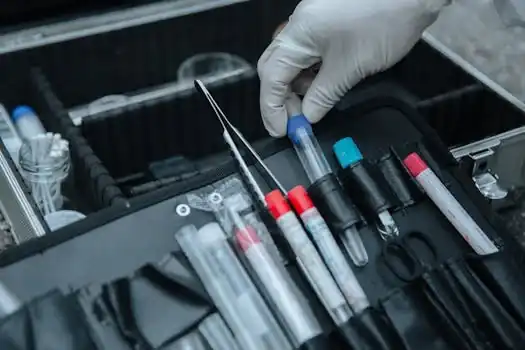
Groundwater supplies about half of Metrowest’s drinking water, both for public systems and private homes. The region’s groundwater quality depends on local geology and land use. Aquifers in sandy glacial deposits recharge quickly but are vulnerable to surface contamination. Bedrock wells tap deeper fractures, often producing water with higher mineral content but lower bacterial risk.
The Massachusetts DEP sets drinking water standards for all public systems and provides guidance for private well owners. Their 2024 update to the PFAS limit pushed many towns to install treatment or switch to alternative sources. The agency also monitors for emerging contaminants like microplastics and pharmaceuticals. If you own a well, MassDEP does not enforce these standards on you, but following their testing schedules and treatment guidelines keeps your water safe.
What Your Town’s Water Means for Your Water Heater
Hard water and sediment don’t just leave spots on your glassware. They settle at the bottom of your water heater tank, forming a layer of grit that insulates the burner from the water it’s trying to heat. Your tank works harder, runs longer, and wears out faster.
In Bolton and Berlin, where well water carries heavy mineral content, an anode rod that should last five years might be gone in three. Hudson and Marlborough municipal water swings seasonally — softer in some months, harder in others — which means your tank faces changing conditions year‑round.
If your water quality is shortening your tank’s life, our water heater installation guide for Massachusetts covers what to consider when it’s time for a replacement.
How to ensure water safety in your home
You can protect your family’s water quality by following five basic steps:
- Know your source. If you are on a municipal water supply, read your town’s Consumer Confidence Report. If you have a private well, find its age, depth, and construction details.
- Test regularly. Order a home test kit or use a state-certified lab. Test for bacteria annually and for a full panel every three to five years. Consider PFAS testing if your property is near a known source.
- Address problems at the point of use or whole house. A certified plumber can size a water treatment system that fits your home’s layout and water chemistry.
- Maintain your plumbing. Old lead pipes, galvanized steel, and brass fixtures can release metals. Replace any pipes known to contain lead. If you have a well, inspect the well cap, casing, and electrical connections yearly.
- Stay informed. Follow local news and your town health department for updates on pfas contamination or boil-water notices. Join neighborhood well user groups to share test results and treatment experiences.
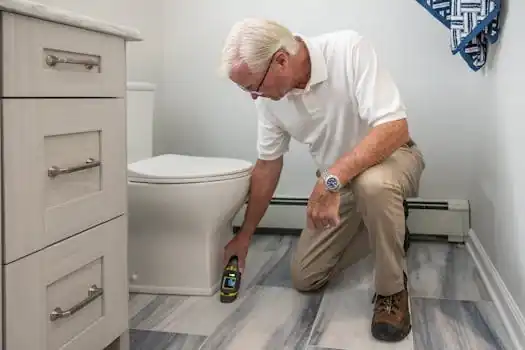
Many Metrowest homeowners already take these steps. One family in Sudbury discovered elevated radon in their well water after a routine test. They installed an aeration system and now have levels below the MassDEP guideline. Another household in Stow found PFAS above 30 ppt due to a nearby fire training facility and now uses a reverse osmosis filter on their kitchen tap. These cases show that routine testing and timely action protect against hidden contaminants.
For help with plumbing, water heater efficiency, or kitchen faucet installation related to water quality improvements, check our helpful plumbing topics page. If you are experiencing scale buildup or low water pressure, our team can inspect your water heater in Stow or recommend treatment options.
Frequently asked questions
How often should I test my well water in Metrowest Massachusetts?
Test for bacteria at least once a year. Test for a full chemistry panel every three to five years. If you live near a farm, industrial site, or recent construction, test more frequently. Also test after any flood, after repairs to the well, or if you notice changes in taste, odor, or color.
Does my town test municipal water for PFAS?
Yes. Every public water system in Massachusetts must test for PFAS and report results to MassDEP. You can find your town’s annual Consumer Confidence Report on the town website or through MassDEP’s online database. Many Metrowest towns have installed carbon filters to meet the 20 ppt standard.
What is the best water treatment system for well water in Metrowest?
It depends on your test results. A whole-house sediment filter and UV disinfection unit are good starting points. If you have hard water, add a softener. For PFAS, nitrates, or heavy metals, a reverse osmosis system at the kitchen sink is most effective. A certified plumber can help design a system for your home.
Should I worry about lead in my tap water?
If your home was built before 1986, it may have lead pipes, lead solder, or brass fixtures containing lead. Even modern “lead-free” brass can leach small amounts. The only way to know is to test. If lead is detected, use a certified filter or replace the offending pipes. Flushing the tap for 30 seconds before drinking also reduces exposure.
Where can I find a certified lab for well water testing in Metrowest?
MassDEP maintains a list of certified laboratories on its website. Many local health departments also offer low-cost testing clinics. Check with your town board of health for the most affordable option. For comprehensive PFAS or radon testing, you may need to send samples to a regional lab.