

That faint trickle in your bathroom isn’t just background noise. A running toilet in Massachusetts can drain over 200 gallons of clean water daily, inflating your utility bill and wasting a vital resource. Identifying the source of the leak allows you to choose the right path: a simple do-it-yourself repair or a call to a professional plumber for guaranteed service.
Diagnosing Your Running Toilet
Water flows continuously from the tank into the bowl when internal components fail. Begin by taking off the tank lid and listening. A hissing sound usually signals a fill valve problem. A gentle trickling noise often comes from a bad flapper seal. For visual confirmation, place a few drops of food coloring in the tank. If the color seeps into the bowl within ten minutes without a flush, you have a leak. This test isolates the issue quickly.
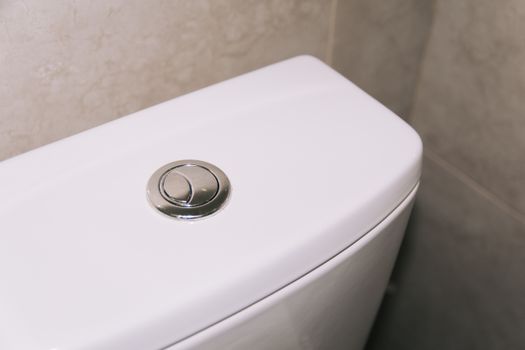
Common Toilet Tank Parts and Their Failures
Knowing the parts inside the tank makes diagnosis easier. The rubber flapper lifts to release water during a flush and can warp or crack with age, causing leaks. The fill valve refills the tank and may fail to close completely. The flush valve is the pipe that the flapper seals against; hard water deposits can corrode its surface. The float, a ball or cup, tells the fill valve when to stop. If it’s adjusted too high or gets stuck, water spills into the overflow tube and the toilet runs.
Step-by-Step Running Toilet Fix
Basic tools and universal replacement parts from a hardware store can solve most running toilets. Always shut off the water supply at the valve near the toilet’s base before starting repairs.
Toilet Flapper Replacement
Since a deteriorated flapper causes most leaks, replacing it is a common first step. Turn off the water and flush to drain the tank. Disconnect the old flapper from its mounting ears and unhook its chain from the flush lever. Position the new flapper, making sure it centers perfectly over the flush valve opening. Reconnect the chain, allowing a small amount of slack. Restore the water supply, let the tank refill, and check for leaks. This repair alone stops many running toilets.
Adjusting the Fill Valve and Float
Water flowing into the overflow tube means the water level is set too high. For a modern float cup, squeeze the adjustment clip on the float rod and slide it downward to lower the water level. For an older ball float, carefully bend the float arm down. The correct water level sits roughly one inch below the top of the overflow tube. If the adjustment fails, the fill valve assembly itself may need replacement, a straightforward task for a confident homeowner.
When DIY Toilet Repair Isn’t Enough
Certain problems require a licensed plumber. If the toilet continues to run after a new flapper and fill valve adjustment, the flush valve could be cracked or the bowl’s wax seal might be leaking. Corroded tank bolts, recurring phantom flushes, or a handle that needs jiggling to stop the flow suggest more serious internal failures. Disassembling the toilet without proper knowledge risks significant water damage to your bathroom floor and subfloor. In these cases, professional service protects your home. Contact us for help on our Bathroom Problems page
| Problem | Likely DIY Fix | Signs You Need a Plumber |
|---|---|---|
| Constant trickling into bowl | Flapper replacement | Cracked porcelain, leak at base |
| Water running into overflow tube | Adjust float/fill valve height | Fill valve won’t shut off after replacement |
| Intermittent running/phantom flush | Check flapper chain for tangles | Leak in internal siphon tube |
| Handle sticks or is loose | Adjust or replace flush lever | Corroded internal components |
Homeowners in Metrowest communities benefit from having a reliable local plumber available. While a general handyman can tackle minor tasks, a licensed plumbing professional brings expertise for repairs that must comply with state and local codes, ensuring long-term reliability for your home’s plumbing system.
The Critical Importance of Water Conservation
Repairing a running toilet directly conserves water and saves money. The Environmental Protection Agency states that household leaks waste nearly 1 trillion gallons of water across the United States each year, with leaky toilets a primary contributor. Massachusetts manages its water resources carefully, especially given periodic drought concerns. A single faulty toilet can add hundreds of dollars to annual water and sewer charges. For example, a leak wasting 200 gallons a day could cost a typical Massachusetts household over $100 extra every two months. Prompt repair is a financial and environmental necessity.
Choosing Professional Plumbing Services in Massachusetts
Select a local, established plumbing company familiar with the challenges of Massachusetts homes, many of which have older plumbing systems. They should provide transparent, upfront pricing and a solid guarantee on parts and labor. A service van fully stocked with parts often allows for same-day repair, minimizing inconvenience. A thorough plumber will also inspect related components, such as supply lines and shutoff valves, to identify potential future issues. This comprehensive approach is also crucial for resolving other household concerns, like kitchen plumbing issues.
A trusted local plumber is a resource for addressing a broad spectrum of common plumbing problems, including dripping faucets, slow drains, and water pressure issues. Establishing this relationship gives you a single point of contact for ongoing home maintenance and emergencies.
For residents in older homes, a specific challenge can be galvanized steel pipes, common in constructions before 1970. These pipes are prone to internal corrosion that restricts water flow and can cause leaks elsewhere in the system. A professional assessment during a toilet repair can spot these broader issues early.
Frequently asked questions
How long can a toilet run before causing damage?
A toilet that runs continuously causes immediate damage through water waste and higher bills. While it may not cause a flood, the constant operation accelerates wear on internal parts, potentially leading to a total failure. Over several months, the continuous flow can also increase mineral scale buildup within pipes.
Can I fix a running toilet myself?
Yes, many common fixes, such as replacing a flapper or adjusting the float, are simple do-it-yourself tasks. They require basic tools like pliers and an inexpensive replacement kit. If the problem continues after these attempts, or if you lack confidence in your mechanical skills, contact a professional plumber.
Why does my toilet run intermittently at night?
This phantom flush happens due to a slow leak from the tank into the bowl. As the water level gradually falls, it eventually triggers the fill valve to recharge the tank, creating the running sound. The root cause is almost invariably a flapper that no longer forms a watertight seal. Installing a new flapper typically solves it.
When should I call a plumber for a running toilet?
Call a plumber if standard part replacements do not stop the running water, if you notice water pooling around the toilet base, or if the toilet rocks when pushed. Also seek professional help for severely corroded tank parts, suspected cracks in the porcelain, or a faulty flush valve assembly.
How much water does a running toilet waste?
A leaking toilet often wastes more than 200 gallons daily. This adds up to over 6,000 gallons in a month. Based on combined water and sewer rates in many Massachusetts municipalities, this volume of wasted water can increase a bimonthly bill by $50 to $150, depending on local rates and the leak’s severity.